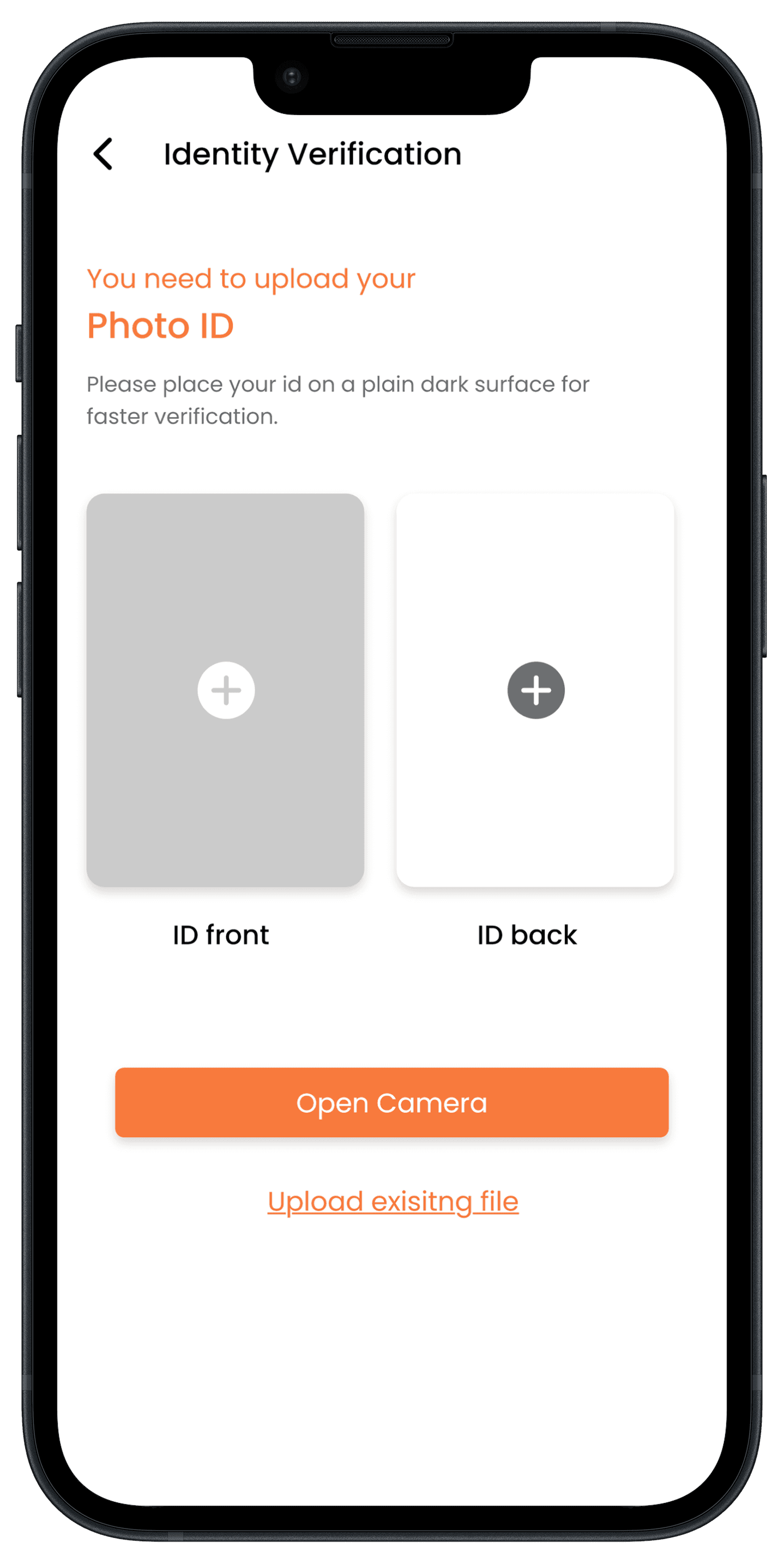
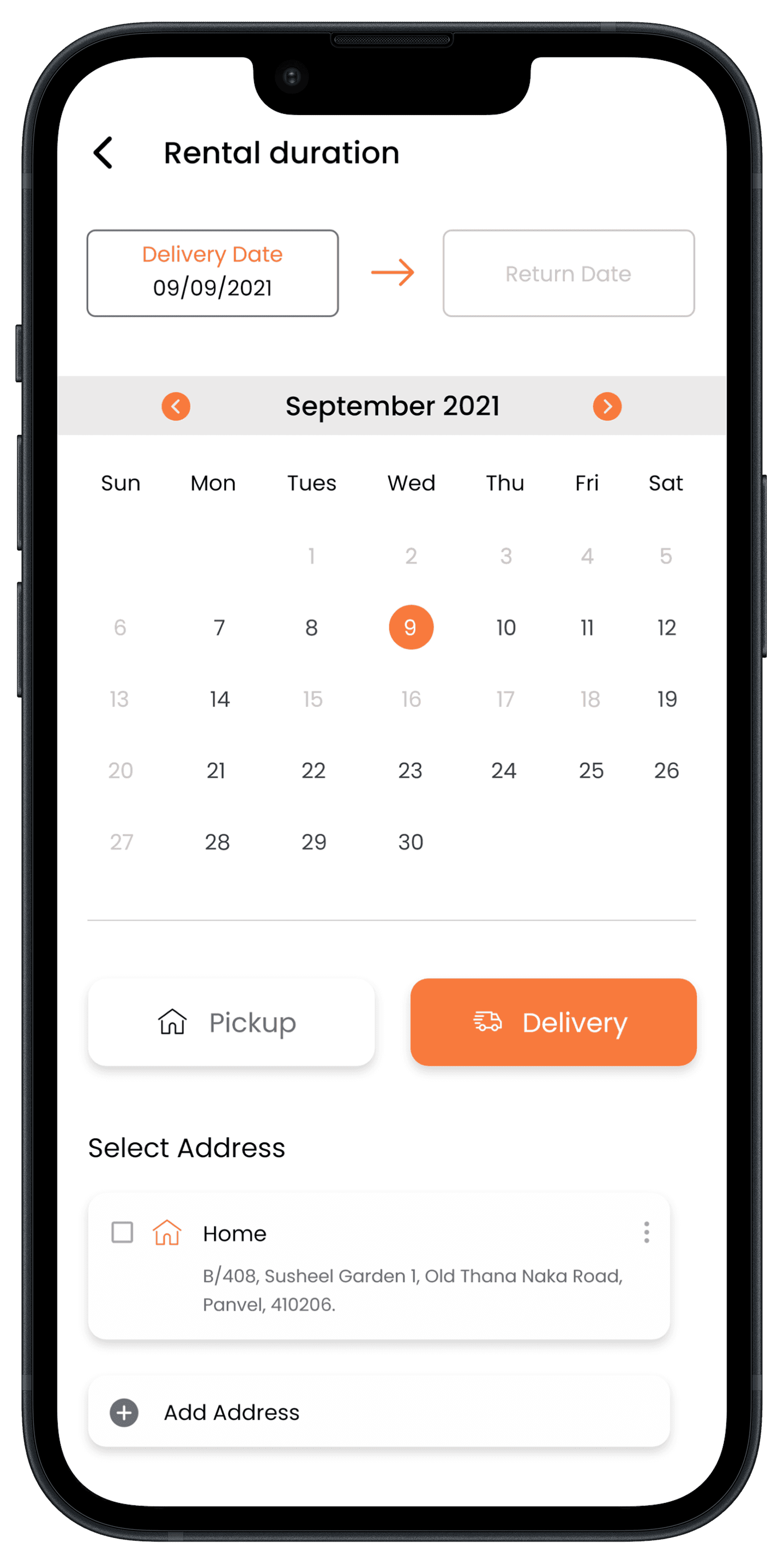
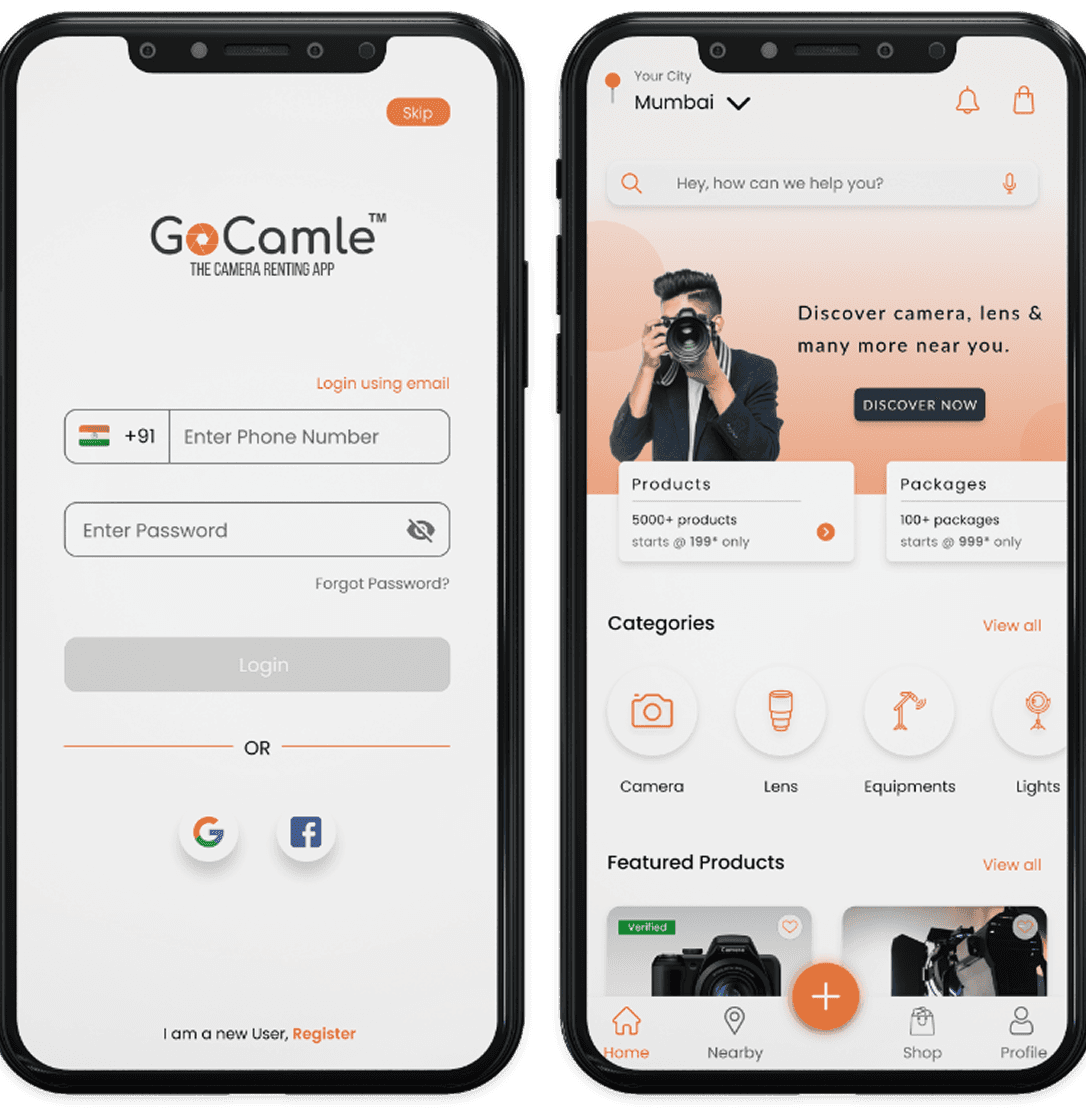
Drove a major enhancement of the GoCamle application by aligning with updated requirements and introducing new functionalities. The aim was to deliver a more intuitive, efficient, and user-friendly platform that adapts to evolving business objectives while improving the overall experience for its users.
2016
Tech
10000+
7
Challenge
72%
Feature Adoption Rate
↑ 36%
Conversion Rate
↑ 67%
User Retention Rate



Process
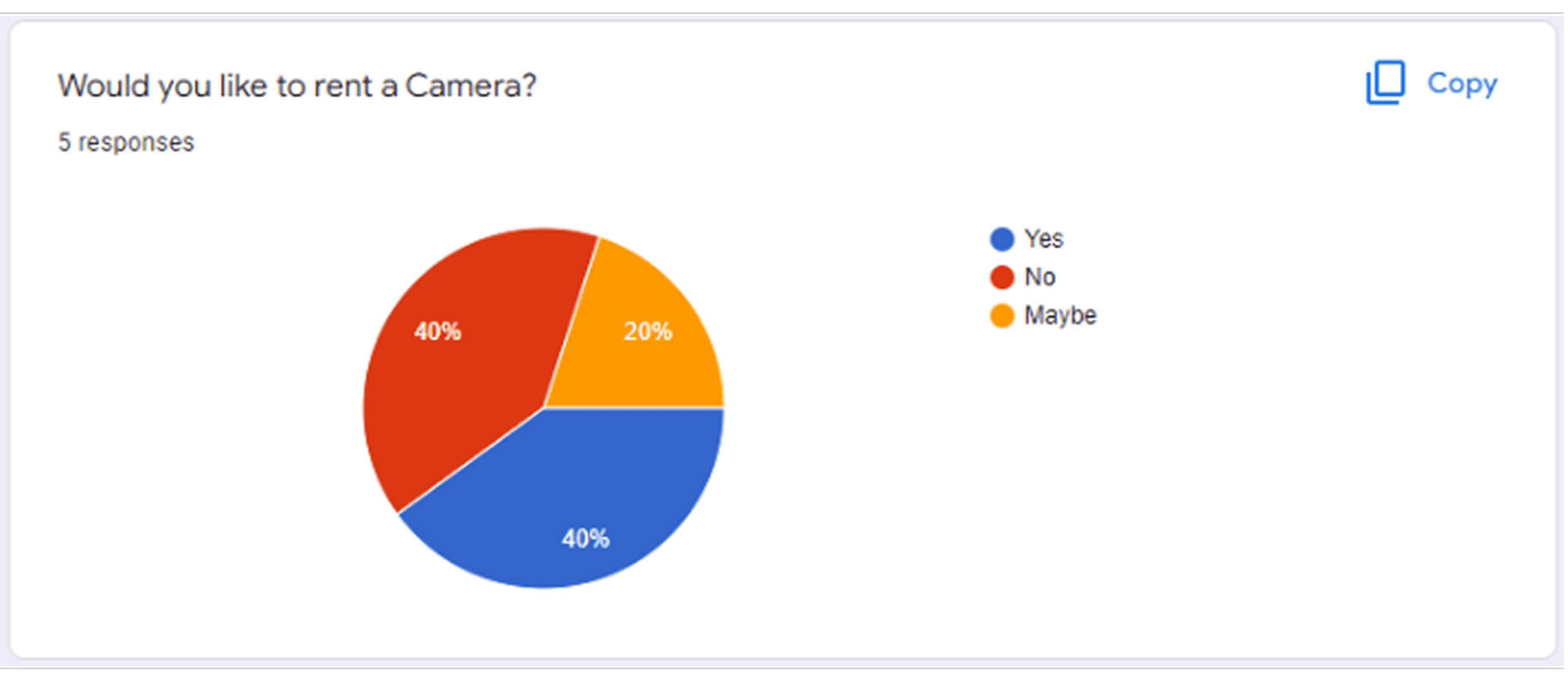
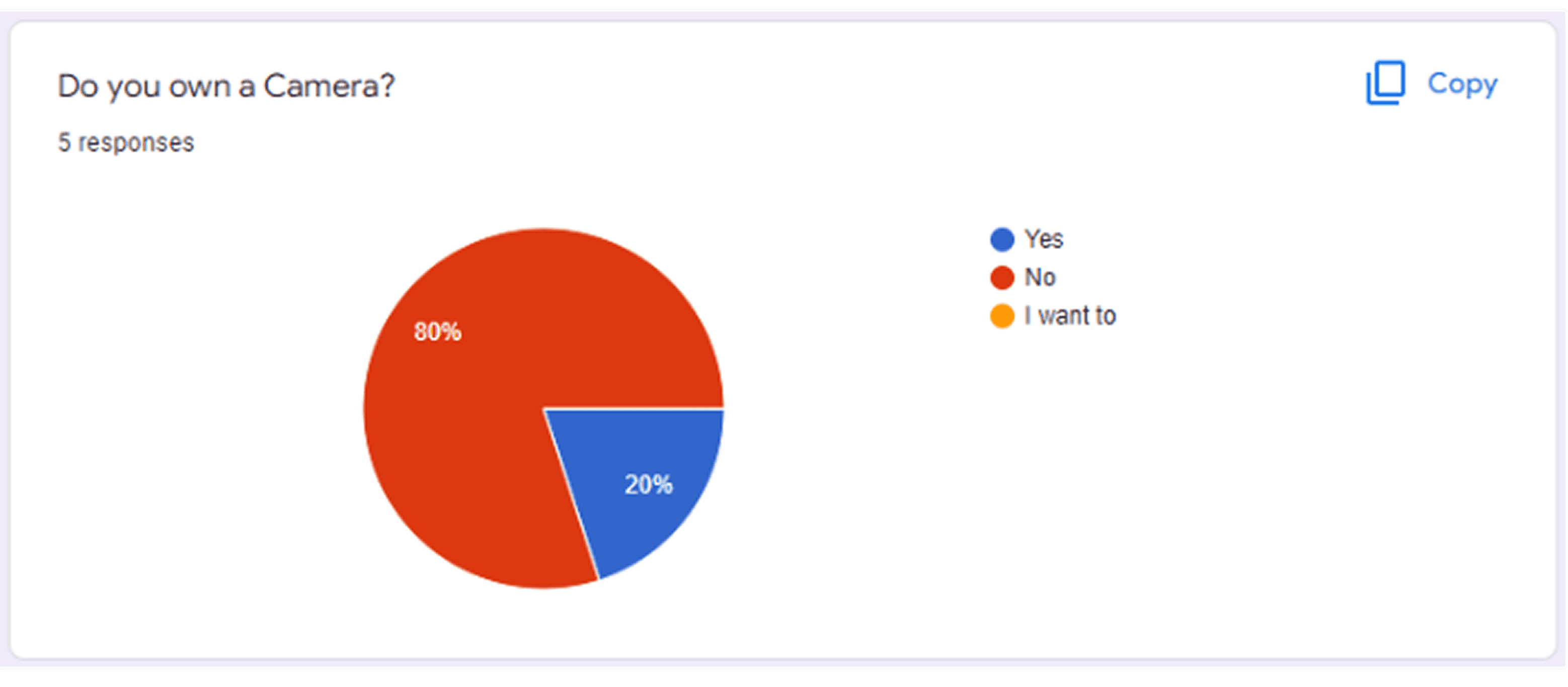
User Survey & Research: This approach constitutes a market research methodology aimed at gathering user data, comprehending their requirements, and meticulously documenting their pain points. To grasp user needs, I devised a Google Form comprising a series of questions and distributed it across various social media groups. Presented below are the compiled responses.
User Persona: After conducting a user survey, I developed a user persona that captured both the pain points and aspirations of the users. This provided clarity and direction, helping me define the goals for the next phase of GoCamle’s design journey.
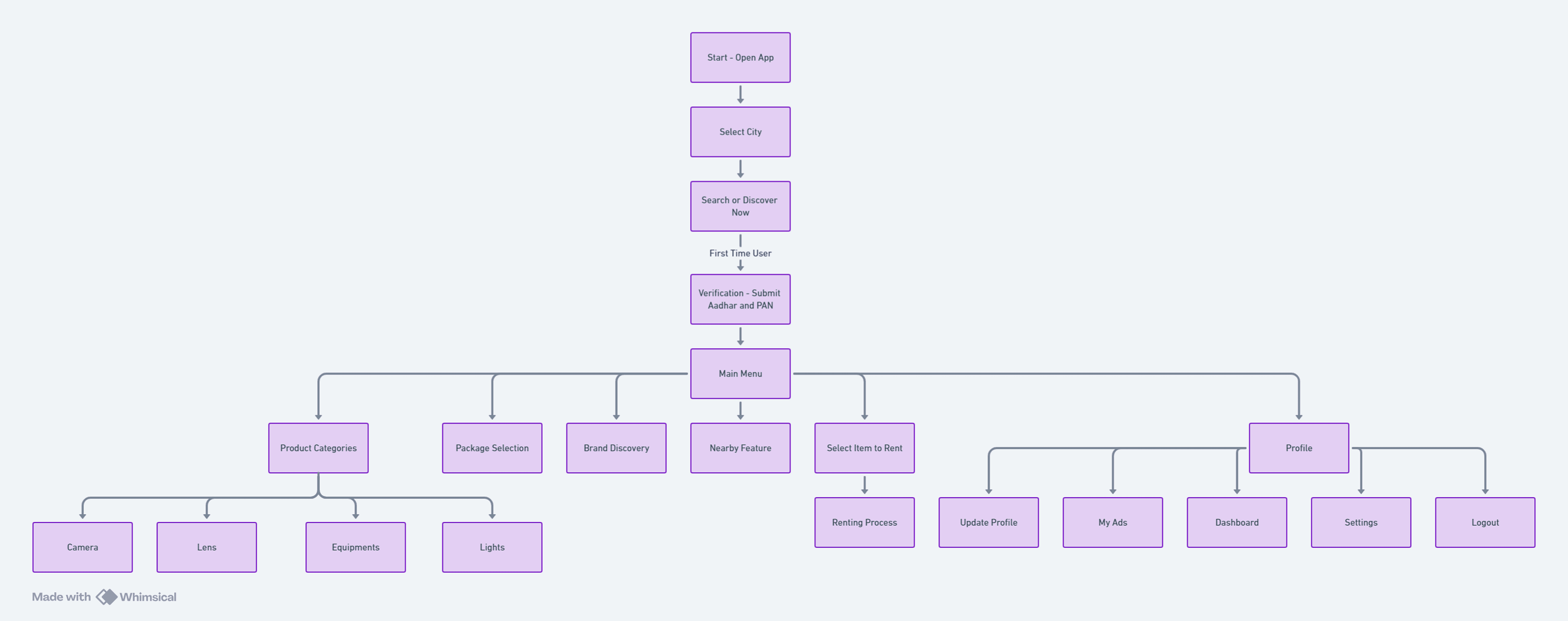
Information Architecture: After generating the user persona, I designed the Information Architecture to directly address user needs and pain points. This helped establish intuitive navigation, streamlined content flow, and a clear foundation for GoCamle’s next design phase.
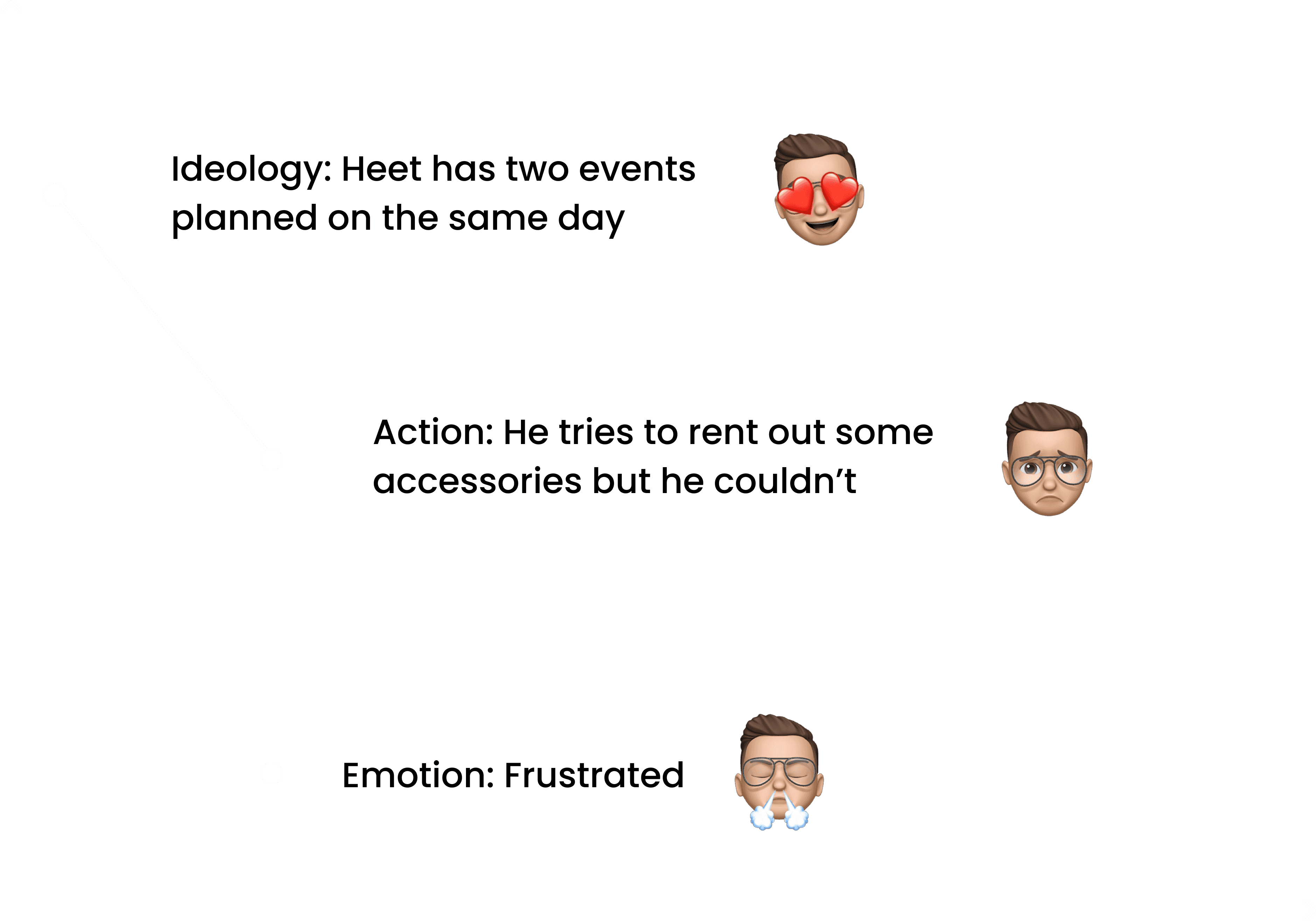
User Journey Map: Building on the Information Architecture, I mapped the User Journey to capture user emotions at each stage. This helped me address key pain points and design a more seamless experience for GoCamle.
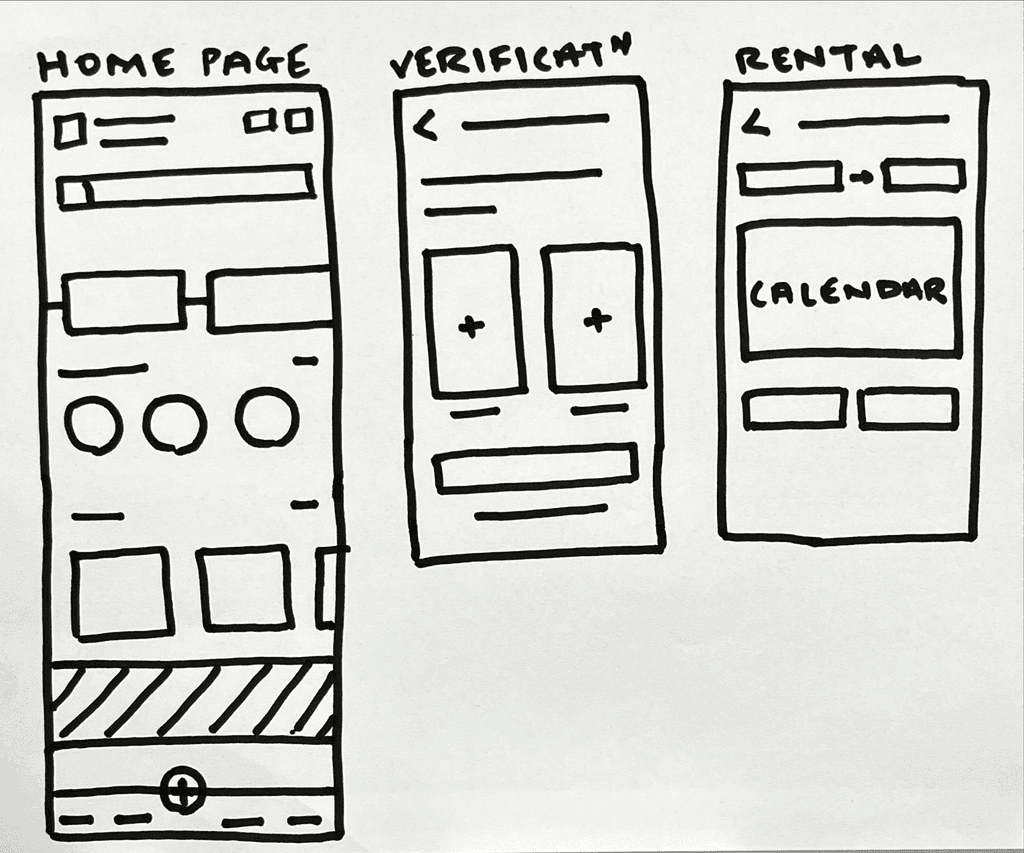
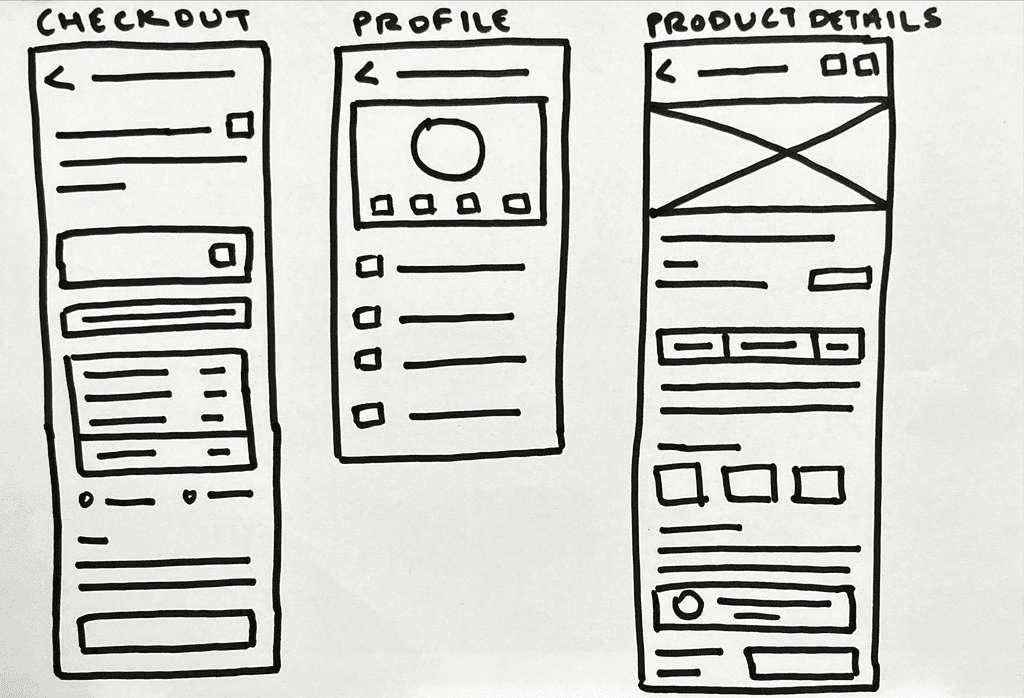
Low Fidelity Wireframing: For GoCamle, I created low-fidelity wireframes to outline the layouts and user flows. These early sketches conveyed core ideas to stakeholders, emphasizing structure and usability while avoiding visual design distractions.
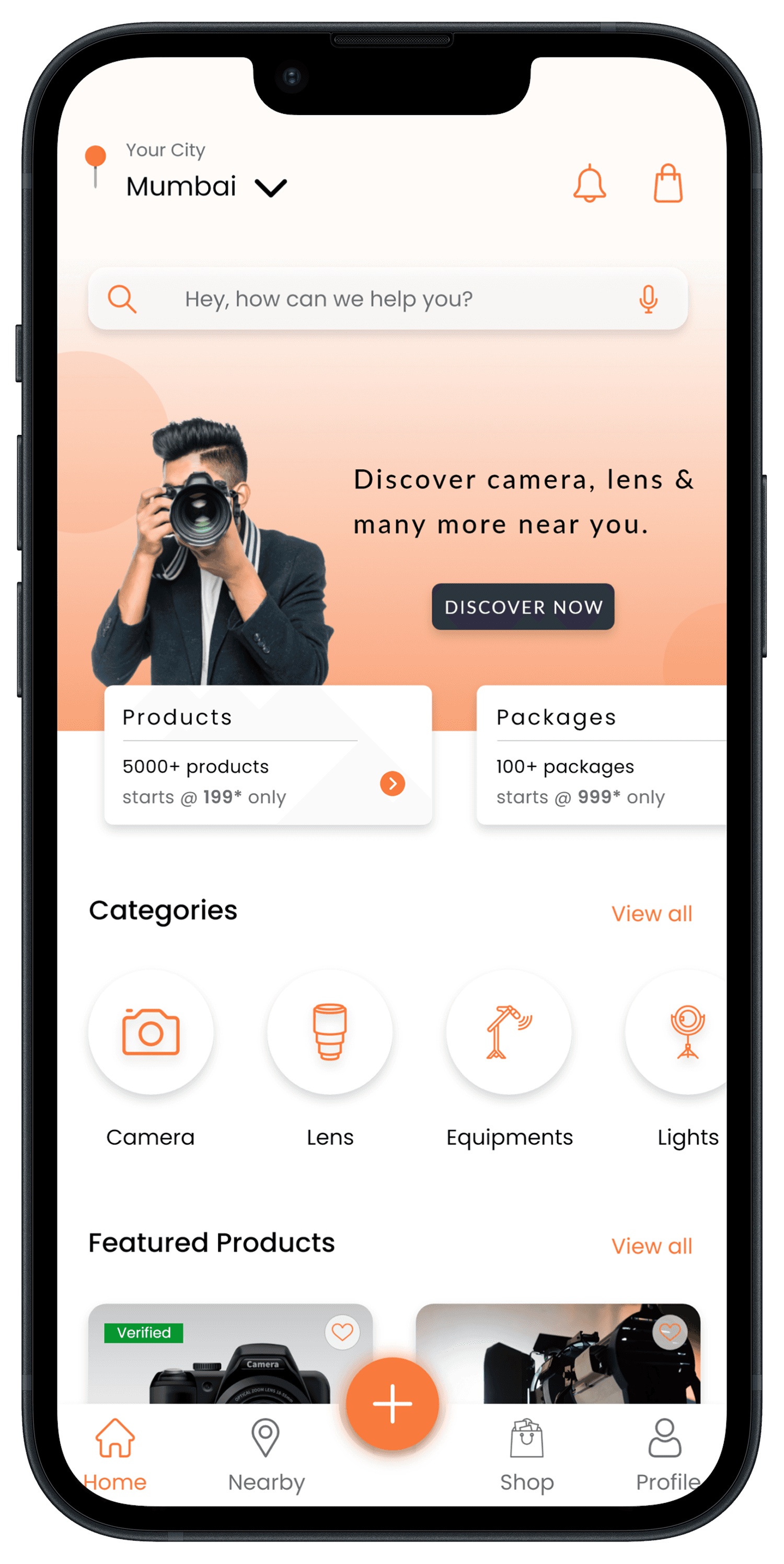
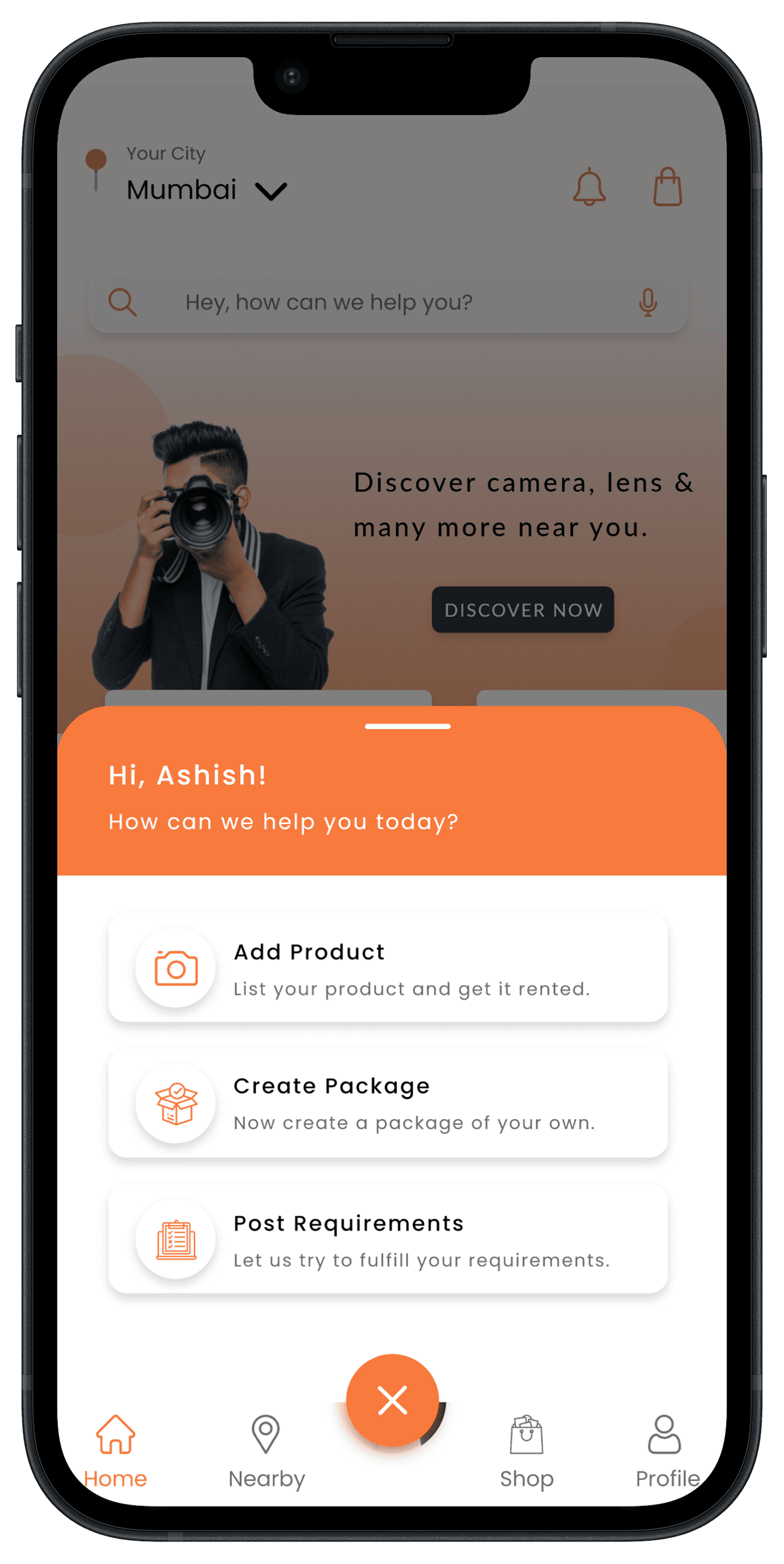
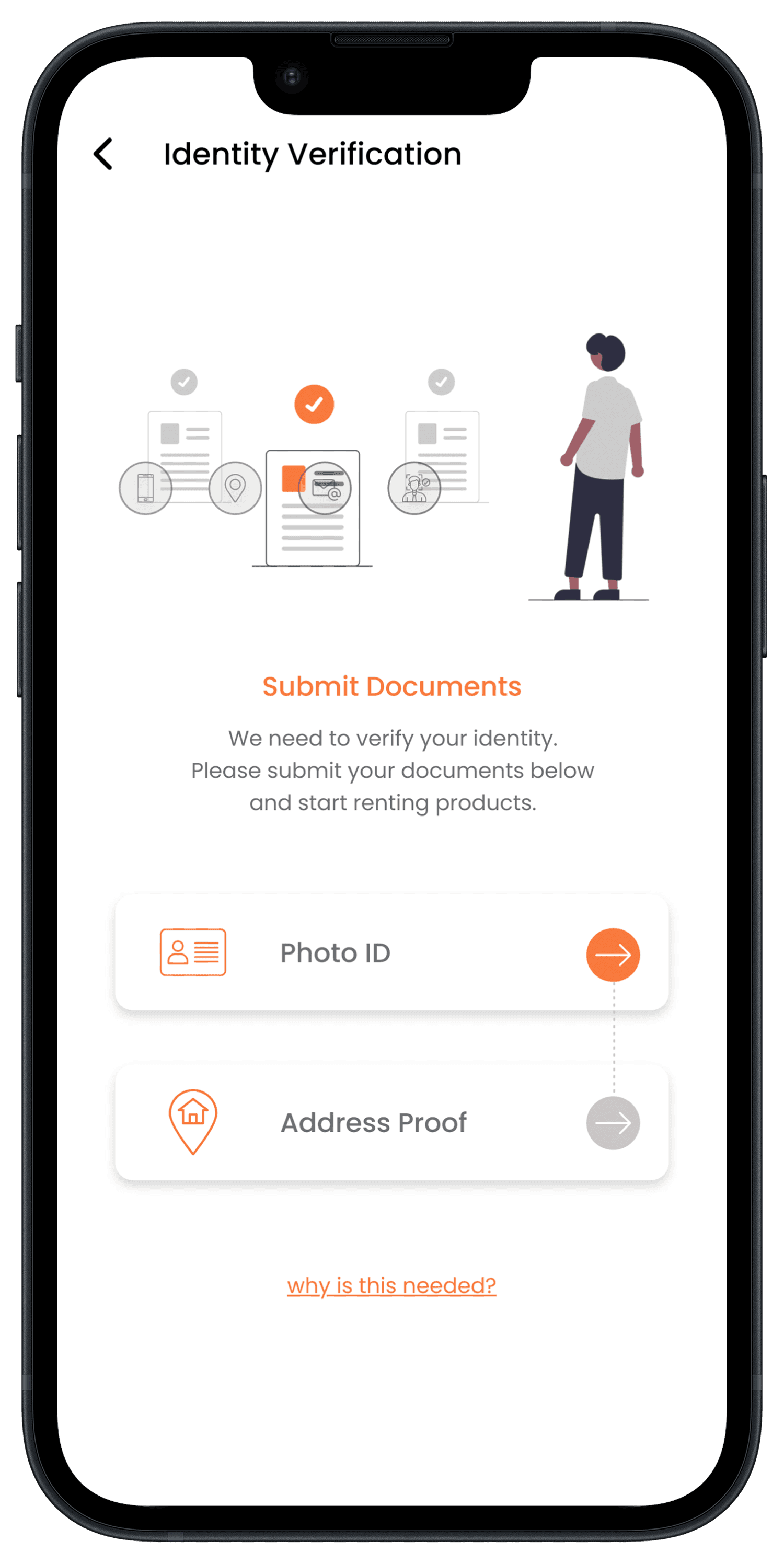
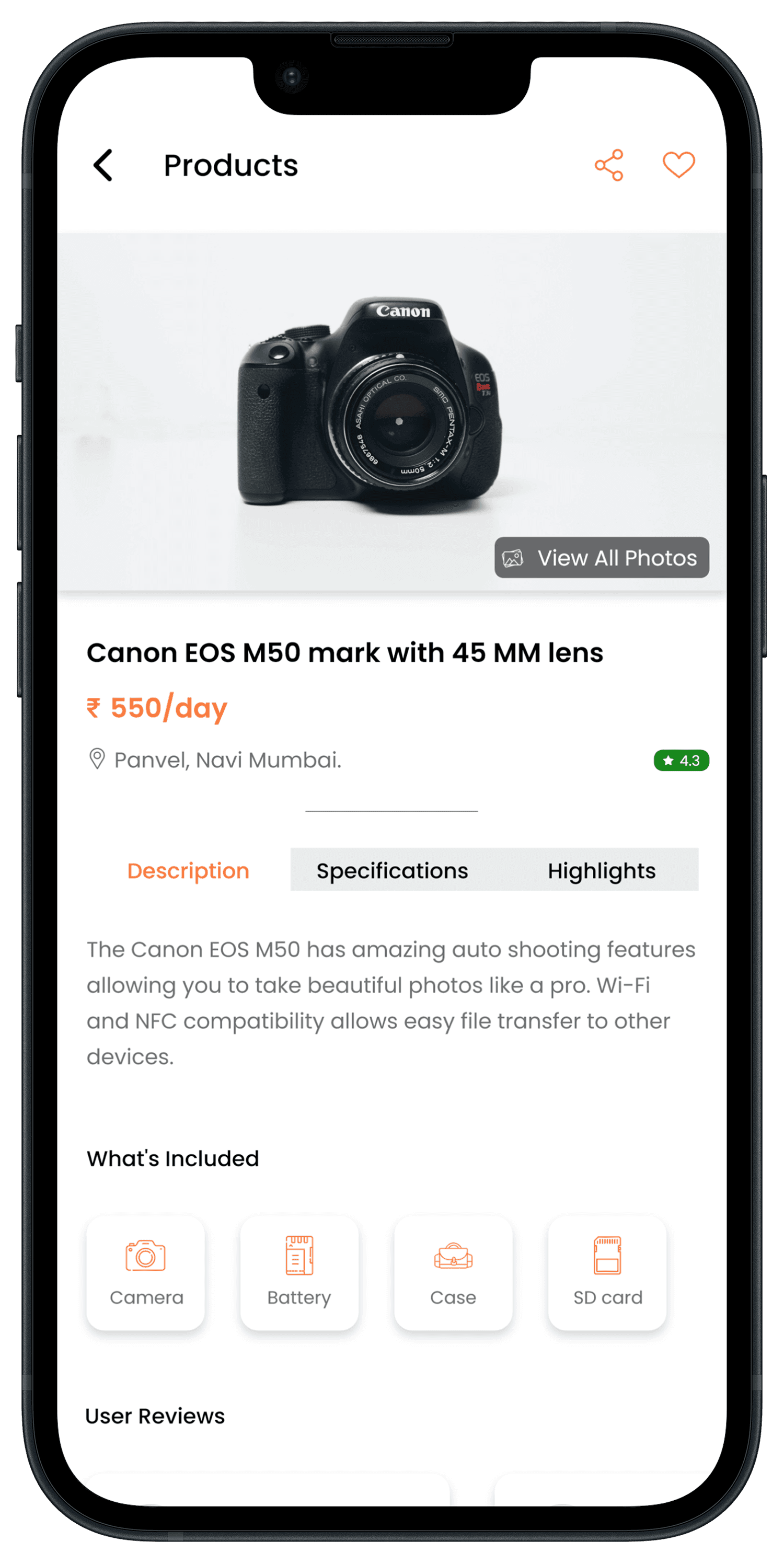
High Fidelity Wireframing: High-fidelity wireframes for GoCamle showcased the near-final design with real content, branding, and interactive elements. This enabled stakeholders to clearly visualize the platform’s look and feel, and provide targeted feedback before moving into development.
User Persona:

Name: Heet Halani
Age: 25
Profession: Photographer
About:
Heet Halani, a freelance photographer, specializes in capturing the magic of weddings,
birthdays, and other special occasions through his lens.
Pain Points:
- Securing camera rentals and accessories proves to be a cumbersome task.
- Accessory shortages during peak seasons exacerbate rental difficulties.
Requirements:
- A secure platform facilitating both the renting out and renting of camera accessories.
- Robust security measures to protect valuable cameras and accessories.
Information Architecture:
User Journey:
High Fidelity Wireframing: